Beneficial Ownership in South Africa – What Businesses Need to Know
Introduction
Beneficial Ownership (BO) has become a key compliance requirement for all South African companies. The Companies and Intellectual Property Commission (CIPC) now requires businesses to record, maintain and submit details of their beneficial owners. Because fraud, money laundering and tax evasion are increasing worldwide, BO regulations help ensure transparency and protect the integrity of the financial system.
As a result, every company must understand these rules and follow them correctly.
What Is a Beneficial Owner?
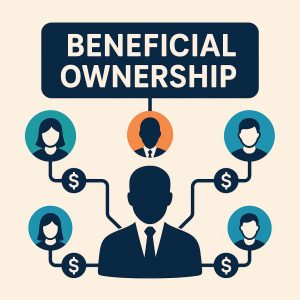
A beneficial owner is a natural person who ultimately owns, controls or benefits from a company. This person may not always appear on official company documents. Instead, their ownership or control may flow through shares, voting rights, agreements, or even indirect influence.
To clarify, a beneficial owner is someone who:
-
Owns 5% or more of the company (directly or indirectly), or
-
Has the power to control decisions, or
-
Receives significant financial benefit from the company
Because beneficial owners may not always be shareholders, businesses must carefully examine all ownership layers.
Why Beneficial Ownership Is Required
CIPC introduced BO reporting to:
-
Improve transparency in the corporate environment
-
Help prevent money laundering
-
Ensure South Africa meets international standards
-
Strengthen the integrity of the business sector
These rules make it easier for regulators to verify who truly owns or controls a company. Therefore, compliance protects your company and builds trust with banks, clients and government bodies.
What Information Must Be Submitted?
When submitting Beneficial Ownership information to CIPC, companies must provide:
-
Full name of the beneficial owner
-
ID or passport number
-
Residential address
-
Percentage of ownership or type of control
-
Supporting documents (ID copies, shareholder registers, etc.)
-
Any changes within 10 business days
Because CIPC checks submissions for accuracy, keeping your internal BO register up to date is essential.
Who Must Submit Beneficial Ownership?
The following entities must keep and submit BO information:
-
Private companies
-
Non-profit companies
-
Close corporations
-
External companies
-
Partnerships (in some cases)
Public companies listed on a stock exchange are usually exempt due to other transparency rules.
What Happens If You Do Not Comply?
CIPC may impose the following actions if you fail to comply:
-
Administrative penalties
-
Deregistration of the company
-
Legal consequences for directors
-
Inability to open bank accounts or secure funding
Because BO reporting is now mandatory, non-compliance can disrupt your business operations.
How We Can Help
We assist businesses by:
-
Identifying beneficial owners
-
Preparing and submitting CIPC BO records
-
Maintaining BO registers
-
Updating information when changes occur
-
Ensuring full legal compliance
Our service ensures that your company remains compliant and avoids penalties. Contact us today for a Quote
Useful Links (Outbound for SEO)
-
CIPC Beneficial Ownership Guide: https://www.cipc.co.za/
-
FIC Information on Transparency: https://www.fic.gov.za/